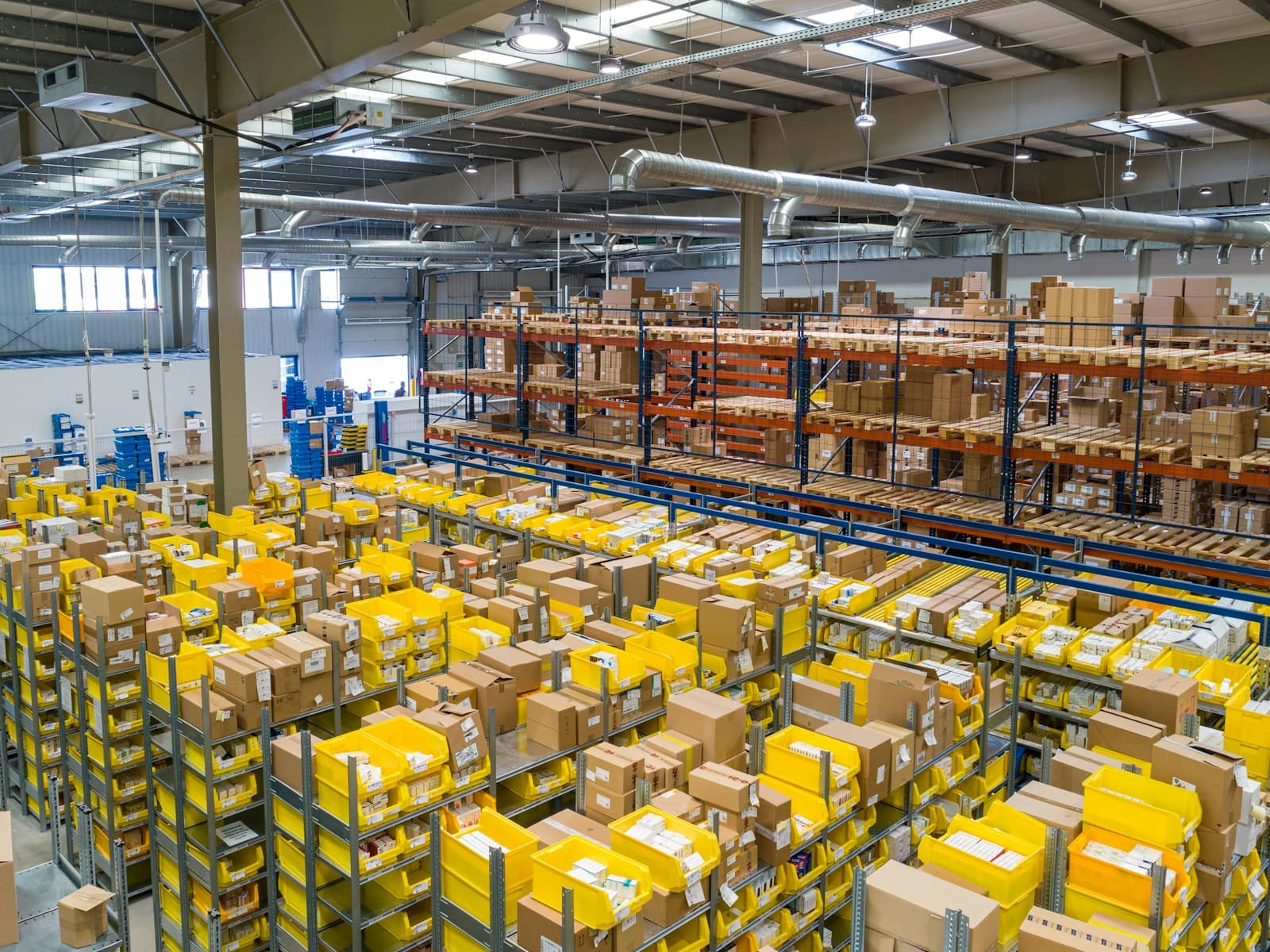
Understanding the current labour hire landscape in Melbourne is crucial for businesses looking to optimize their workforce costs while maintaining quality operations. The 2025 market has brought significant changes in pricing structures, regulatory requirements, and skill premiums.
Executive Summary
Melbourne's labour hire market in 2025 shows continued growth with increased demand for skilled warehouse and manufacturing workers. Average rates have increased by 8-12% year-over-year, driven by skills shortages and enhanced safety requirements.
Key Rate Ranges (2025):
- Warehousing: $28-45/hour
- Manufacturing: $30-55/hour
- Logistics: $32-50/hour
- Supply Chain: $35-55/hour
Current Market Rates by Industry
Warehousing & Distribution
General Warehouse Staff: $28-35/hour
- Order pickers: $28-32/hour
- Packers: $29-33/hour
- Warehouse assistants: $28-30/hour
- Stock controllers: $32-35/hour
Forklift Operators: $35-45/hour
- LF (Light Forklift): $35-38/hour
- LO (Light Counterbalance): $36-40/hour
- HF (Heavy Forklift): $40-43/hour
- HO (Heavy Counterbalance): $42-45/hour
Specialized Roles: $38-50/hour
- Warehouse supervisors: $42-50/hour
- Inventory managers: $45-55/hour
- Quality controllers: $38-45/hour
Manufacturing Sector
Production Workers: $30-40/hour
- Assembly line operators: $30-35/hour
- Machine operators: $32-38/hour
- Production assistants: $30-33/hour
Skilled Manufacturing: $40-55/hour
- CNC operators: $45-55/hour
- Quality technicians: $42-48/hour
- Maintenance technicians: $48-60/hour
- Production supervisors: $50-65/hour
Logistics & Transport
Coordination Roles: $32-42/hour
- Dispatch coordinators: $32-38/hour
- Logistics assistants: $30-35/hour
- Documentation clerks: $28-33/hour
Specialized Logistics: $40-50/hour
- Supply chain analysts: $45-55/hour
- Transport coordinators: $40-48/hour
- Customs specialists: $42-50/hour
Rate Influencing Factors
1. Shift Timing Premiums
Standard Day Shifts (6am-6pm): Base rates
- Morning shifts (6am-2pm): Standard rates
- Day shifts (8am-4pm): Standard rates
Premium Shift Rates:
- Afternoon shifts (2pm-10pm): +10-15% premium
- Night shifts (10pm-6am): +15-25% premium
- Weekend work: +25-50% premium
- Public holidays: +100% premium
2. Certification & Training Premiums
Safety Certifications:
- Forklift license: +$5-8/hour
- Dangerous goods handling: +$3-5/hour
- First aid certification: +$2-3/hour
- Working at heights: +$3-6/hour
Technical Certifications:
- Crane operation: +$8-12/hour
- Electrical qualification: +$10-15/hour
- Quality system knowledge: +$3-5/hour
3. Experience & Tenure
Experience Levels:
- Entry level (0-6 months): Base rates
- Experienced (6-24 months): +$2-4/hour
- Senior (2+ years): +$4-8/hour
- Team leadership experience: +$5-10/hour
4. Site & Industry Premiums
High-Risk Environments:
- Chemical handling: +10-20% premium
- Cold storage facilities: +$2-4/hour
- Clean room environments: +$3-6/hour
- Heavy industrial sites: +15-25% premium
Industry Specific:
- Food & beverage: +$2-4/hour (HACCP requirements)
- Pharmaceutical: +$5-8/hour (GMP compliance)
- Automotive: +$3-5/hour (lean manufacturing)
Regional Rate Variations
Melbourne Metro Areas
Inner Melbourne: Premium rates (+5-10%)
- CBD and surrounds
- Port Melbourne
- South Melbourne
Middle Ring: Standard rates
- Dandenong South
- Clayton
- Tullamarine
Outer Areas: Competitive rates (-5-10%)
- Pakenham
- Werribee
- Craigieburn
2025 Market Trends
Skills Shortage Impact
Critical shortage areas commanding premium rates:
- Forklift operators: 15% above market average
- Quality controllers: 20% premium for experienced staff
- Multi-skilled warehouse workers: 25% premium
Technology Integration
Higher rates for workers skilled in:
- WMS systems: +$3-5/hour
- RF scanning proficiency: +$2-3/hour
- Automation interface: +$5-8/hour
Sustainability Focus
Green logistics and sustainable practices:
- Environmental compliance knowledge: +$2-4/hour
- Waste reduction experience: +$1-3/hour
Cost Management Strategies
1. Flexible Staffing Models
Core + Flex Approach:
- Maintain 60-70% permanent core staff
- Use labour hire for 30-40% peak demand
- Cost savings: 15-25% on overall labour costs
2. Multi-Skill Development
Cross-Training Benefits:
- Reduce premium rates for specialists
- Improve operational flexibility
- ROI: 20-30% improvement in labour efficiency
3. Technology Investment
Automation Balance:
- Combine technology with skilled operators
- Focus on value-added human tasks
- Result: 25-35% productivity gains
Compliance & Legal Considerations
Minimum Standards
Legal Requirements:
- Minimum wage compliance (currently $23.23/hour)
- Superannuation obligations (11.5%)
- WorkCover insurance
- Fair Work Act compliance
Industry Standards:
- Safety training completion
- Site-specific inductions
- Regular competency assessments
Documentation Requirements
Essential Records:
- Work authorisation verification
- Training certificates
- Safety compliance records
- Performance evaluations
Budgeting Guidelines
Planning Considerations
Base Labour Costs (per hour):
- Direct wages: Listed rates above
- Superannuation: +11.5%
- WorkCover: +1-3% (industry dependent)
- Agency margin: +15-25%
Additional Costs:
- Induction and training: $200-500 per worker
- PPE provision: $100-300 per worker
- Site access and security: $50-150 per worker
Annual Budget Planning
Seasonal Variations:
- Q4 peak season: 25-40% rate premiums
- Post-holiday period: 10-15% rate reductions
- Mid-year stability: Standard rates
Quality vs. Cost Balance
Premium Service Benefits
Higher Rate Justifications:
- Faster deployment: 2-hour allocation vs. 24-48 hours
- Pre-screened staff: 95% retention vs. 70% industry average
- Comprehensive support: Reduced management overhead
Value Metrics
ROI Indicators:
- Productivity rates: 15-25% above standard hire
- Safety incidents: 50% below industry average
- Customer satisfaction: 99%+ client retention
Future Outlook
2025-2026 Projections
Rate Trends:
- Continued 5-8% annual growth expected
- Technology premiums increasing
- Sustainability skills in higher demand
Market Drivers:
- E-commerce growth sustaining demand
- Automation creating new skill requirements
- Regulatory changes affecting compliance costs
Strategic Recommendations
For Businesses:
- Invest in partnerships with quality labour hire providers
- Develop succession planning for critical roles
- Embrace technology while maintaining human expertise
- Focus on retention to reduce hiring frequency
For Workers:
- Obtain multiple certifications to command premium rates
- Develop technology skills for future-proofing
- Build reputation for reliability and quality
- Consider leadership development for career progression
Conclusion
Melbourne's labour hire market in 2025 offers opportunities for both businesses and workers who understand the value drivers. While rates have increased, the focus on quality, safety, and productivity means that premium services deliver measurable ROI.
Key Takeaways:
- Rates reflect skill premiums and market demand
- Technology integration is becoming essential
- Quality partnerships reduce total cost of ownership
- Compliance and safety remain non-negotiable
For current rate quotes and availability, businesses should engage with established labour hire providers who understand local market conditions and can provide transparent, competitive pricing.
For personalised rate quotes and workforce planning consultation, contact Tempz Australia at 1300 TEMPZ (83679) or hello@tempz.com.au
Ready to Transform Your Workforce?
Connect with Melbourne's leading labour hire specialists for tailored solutions that drive operational excellence and business growth.